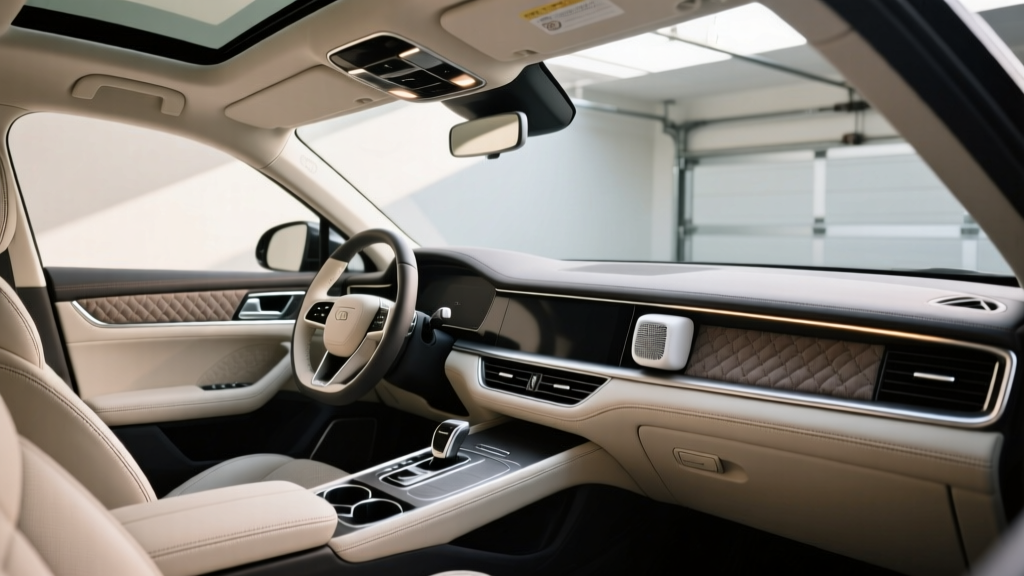
Allergen Reduction for Car Interiors (2026)
If you or your passengers deal with allergies, asthma, or sensitive skin, your car interior can quietly become a rolling trigger. Unlike a home, a vehicle is a small, enclosed space that heats up fast, recirculates air, and traps debris deep in carpet fibers and seat foam. Pollen, dust mites, pet dander, mold spores, and even fragrances can build up over time?especially if you commute daily, park under trees, or haul pets and sports gear.
The good news: you can customize your vehicle to dramatically reduce allergens without turning it into a sterile box. With the right cleaning strategy, filtration upgrades, material choices, and a few habit changes, you can keep your cabin air and surfaces noticeably cleaner. This guide breaks down advanced allergen reduction methods and practical customization techniques that car owners can tackle at home or with help from a detailer.
What?s Actually Causing Allergens in Your Car?
Before upgrading anything, it helps to identify the ?usual suspects.? Most cabin allergy issues come from a mix of particles (dust/pollen) and biological sources (mold, dander), plus chemical irritants (fragrances, cleaners).
Top allergen sources inside a vehicle
- Pollen: Enters through open windows/doors and clings to fabrics.
- Dust and dust mites: Thrive in carpets, floor mats, seat seams, and headliners.
- Pet dander: Lightweight and sticky; embeds in upholstery and vents.
- Mold and mildew spores: Often caused by moisture in carpets, spare tire wells, and HVAC evaporator cores.
- Smoke and odors: Tar and odor particles adhere to plastics and fabrics and can irritate airways.
- Chemical irritants: Strong fragrances, solvent-heavy cleaners, or aftermarket scents.
Quick self-check: where to look first
- Musty smell when you start the A/C (HVAC and cabin filter area)
- Visible dust line on the dash vents
- Allergy symptoms worse after rain (mold risk)
- Pets ride in the back seat (dander buildup)
- Car sits under trees (high pollen load)
Baseline: Deep Clean Like a Pro (Then Customize)
Upgrades work best when the cabin is already decontaminated. Otherwise, you?ll be filtering and sealing around a problem that?s still present.
Step-by-step: advanced allergen deep clean (2?3 hours)
- Remove everything from the cabin and trunk: mats, seat covers, child seats, cargo organizers.
- Vacuum with intention: Use a vacuum with a HEPA-rated filter if possible. Work top to bottom:
- Headliner edges (light passes only)
- Seats (seams, under bolsters)
- Carpet edges and under seats
- Trunk carpet and spare tire well
- Agitate fibers: Use a soft interior brush to lift embedded debris from carpets and cloth seats, then vacuum again.
- Steam (carefully): Steam is excellent for allergen reduction on hard surfaces and some fabrics, but don?t soak:
- Use quick passes on floor mats, seat fabric, and plastic trim
- Avoid prolonged steam on headliners and electronics
- Extract when needed: If you have stains, pet accidents, or a musty smell, use a hot water extractor on carpets and cloth seats. Let everything dry fully.
- Wipe hard surfaces: Use a low-fragrance interior cleaner on dash, door panels, console, and steering wheel. Microfiber towels help trap particles instead of spreading them.
- Wash or replace floor mats: Rubber mats clean easiest; carpet mats should be shampooed/extracted and dried completely.
- Dry the cabin thoroughly: This is non-negotiable for mold prevention. Use fans, crack windows in a safe area, or run the A/C on dry mode.
Real-world example
A commuter parking under pine trees may vacuum weekly and still feel symptoms because pollen grains are stuck in the seat fabric and carpet edges. After a deep clean that includes brushing/agitation plus an extractor pass on the footwells, most of that pollen load is physically removed?making filtration upgrades far more effective.
HVAC Allergen Control: Cabin Air Filter Upgrades and Evaporator Care
Your car?s HVAC system can either help you breathe easier or recirculate irritants. The biggest ?bang for the buck? customization is almost always a better cabin air filter.
Cabin air filter types (what to choose)
- Standard particulate filters: Good for dust and larger debris, basic protection.
- Activated carbon filters: Add odor and VOC reduction (helpful for smoke and traffic fumes).
- High-efficiency (HEPA-style) cabin filters: Best for fine particles; availability depends on vehicle model.
Product recommendation guidance (brand-neutral but practical)
- If you drive in heavy traffic or deal with odors: choose an activated carbon cabin filter.
- If pollen triggers you every spring: look for the highest-efficiency filter available for your vehicle (some manufacturers offer ?premium? or ?allergen? filters).
- Replace more often than the manual if needed: every 6?12 months is typical, but dusty/pollen-heavy areas may require every 3?6 months.
Step-by-step: cabin filter swap (general process)
- Locate your cabin filter housing (commonly behind the glove box or under the cowl).
- Remove the access panel and slide the old filter out carefully (avoid dumping debris).
- Vacuum the housing area gently.
- Install the new filter in the correct airflow direction (follow arrows on the frame).
- Reassemble and run the fan for a few minutes to confirm normal airflow.
Evaporator and vent odor control (advanced but worth it)
If you smell mildew when the A/C starts, the evaporator core may have microbial growth. Consider an HVAC evaporator cleaner designed for automotive use. For stubborn cases, professional detailing with an evaporator treatment is often the fastest fix.
- Habit tip: In humid climates, turn off A/C a minute before parking and let the fan run. This helps dry the evaporator and reduce mold risk.
Interior Material Customization for Low-Allergen Living
Cleaning helps, but materials determine how easily allergens stick around. If you?re upgrading seat covers, mats, or trim, choose surfaces that don?t trap particles and won?t off-gas heavily.
Best upgrades for allergen reduction
- All-weather (rubber/TPE) floor mats: Trap dirt and pollen in channels, remove easily for rinsing.
- Non-fabric seat surfaces: Leather or quality leatherette is easier to wipe down than cloth.
- Washable seat covers: If you prefer cloth, pick machine-washable covers and wash regularly.
- Cargo liners: Great if you haul pets, sports gear, or gardening supplies.
Seat cover and mat comparison (quick decision guide)
- Cloth seats + fabric mats: Comfortable, but highest allergen retention.
- Clothed seats + all-weather mats: Big improvement with minimal cost.
- Leather/leatherette seats + all-weather mats: Easiest to maintain; great for pet owners.
Practical tip: choose low-fragrance products
Some ?new car smell? products and heavy interior dressings can irritate sensitive passengers. Look for interior cleaners labeled low-odor or fragrance-free when possible, and avoid spraying anything directly into vents.
Targeted Tech: Portable HEPA Purifiers and Cabin Air Strategies
Portable in-car air purifiers can help, but only if you match expectations to reality. They?re best as a supplement?especially for fine particles and lingering odors?after you?ve cleaned and upgraded the cabin filter.
What to look for in an in-car air purifier
- True HEPA or HEPA-style filtration (clear filter specs, not vague claims)
- Activated carbon stage for odors and VOCs
- Clean Air Delivery Rate (CADR) appropriate for small spaces
- Low noise at usable settings (if it?s annoying, you won?t run it)
- Easy filter availability and realistic replacement costs
Cabin airflow habits that reduce allergens
- Use recirculation in high-pollen areas or behind smoky vehicles.
- Switch to fresh air periodically to reduce humidity buildup if windows stay closed.
- Keep windows up during peak pollen hours when possible (often morning).
Moisture and Mold Prevention: The Customization People Forget
If moisture is present, allergens multiply. Mold prevention is less about sprays and more about controlling water sources and drying time.
High-risk areas for hidden moisture
- Under floor mats (especially winter/snow climates)
- Trunk/spare tire well
- Door seals and sunroof drains
- A/C evaporator and HVAC box
Step-by-step: moisture-control routine
- Check mats weekly in wet seasons; remove and dry if damp.
- Keep a small microfiber towel in the car for quick wipe-downs of wet shoes or pet paws.
- Use desiccant packs or a small moisture absorber if your climate is humid and the car sits.
- Fix leaks fast: Water intrusion from seals or clogged drains will undo every allergen reduction effort.
Common Mistakes to Avoid
- Replacing the cabin filter without cleaning first: The new filter can?t fix embedded allergens in carpet and seats.
- Over-wetting seats and carpet: Too much water invites mold and musty odors. Use controlled moisture and dry thoroughly.
- Using strong fragrances to ?cover? smells: This often worsens symptoms and doesn?t address the source.
- Ignoring the trunk: Pet hair, damp gear, and pollen-laced cargo can spread forward through airflow and movement.
- Skipping seam and crevice work: Most dander and dust hides where quick vacuums miss?seat rails, between cushions, carpet edges.
- Assuming one gadget solves everything: Purifiers and ozone-style solutions (when used improperly) can be risky and rarely replace removal + filtration.
Recommended ?Allergen Reduction Builds? (Pick Your Level)
Level 1: Budget-friendly (quick wins)
- Replace cabin air filter with activated carbon option if available
- Install all-weather floor mats
- Weekly vacuum focusing on seat seams + footwells
Level 2: Enthusiast upgrade (noticeable change)
- Deep clean with agitation + spot extraction
- Premium/high-efficiency cabin filter replacement every 6 months
- Cargo liner and washable seat covers (especially for pets)
- Low-odor interior cleaner and microfiber system (color-coded towels)
Level 3: Maximum reduction (sensitive passengers)
- Professional interior detail including HVAC odor treatment if needed
- Highest-efficiency cabin filter supported by your vehicle
- Portable HEPA purifier with carbon stage (run consistently)
- Strict moisture control routine + leak inspection
FAQ: Advanced Car Interior Allergen Reduction
How often should I change my cabin air filter if I have allergies?
Many drivers do well with every 6?12 months, but allergy sufferers often benefit from every 3?6 months during heavy pollen seasons or if you drive on dusty roads. If airflow drops or odors return quickly, replace sooner.
Are HEPA cabin filters worth it?
If your vehicle supports a high-efficiency or HEPA-style cabin filter, it?s one of the best upgrades for pollen and fine dust. Just remember: it works best after you remove allergens already trapped in the interior.
What?s better for allergies: leather or cloth seats?
Leather/leatherette is generally easier for allergy control because it doesn?t trap dander and pollen like cloth. A quick wipe-down removes particles that would otherwise embed in fabric.
Can I use ozone treatments to remove odors and allergens?
Ozone treatments can reduce certain odors, but they?re easy to misuse and don?t replace physical cleaning. If you?re considering it, professional handling is safest, and you still need to address the source (moisture, bio growth, smoke residue).
Why does my car smell musty only when the A/C turns on?
That?s a classic sign of moisture and microbial growth on the evaporator core or in the HVAC box. An evaporator cleaner, a fresh cabin filter, and better drying habits (fan-only before shutdown) usually help. Persistent cases may need a professional HVAC treatment.
What?s the simplest routine to keep allergens low week to week?
Use all-weather mats, vacuum seams and footwells weekly, wipe down hard surfaces with a low-odor cleaner, keep windows closed during peak pollen, and replace the cabin filter on an allergy-friendly schedule.
Your Next Steps: Make the Cabin Easier to Breathe In
Start with removal: deep vacuuming, agitation, and careful extraction where needed. Then upgrade the system that controls what you inhale?your cabin air filter?followed by moisture control to prevent mold from returning. After that, customize for easier maintenance with all-weather mats, wipeable seat surfaces or washable covers, and (if needed) a compact HEPA purifier for extra support.
If you want a simple checklist for this weekend, aim for:
- Cabin filter replacement (activated carbon or high-efficiency option)
- Thorough vacuum focusing on seams, rails, and carpet edges
- Mat cleaning + full dry-out
- Quick HVAC odor test and moisture inspection
For more practical car interior guides, cleaning routines, and upgrade ideas, explore the latest articles on carinteriormix.com.